
Why BJJ Recovery Matters More Than You Think
Most students obsess over technique, yet the thing that actually determines how fast you improve happens off the mat. BJJ recovery is the quiet part of training nobody talks about enough, even though it decides whether you show up sharp for your next session or drag yourself through it sore and slow. At Sixth Sense Martial Arts in Coppell TX we see this pattern constantly, students who train hard but never rest smart tend to plateau or get hurt. Moreover, recovery is not the opposite of training, it is the part where your body actually adapts and gets stronger. So in this guide I will walk through the real habits that speed up BJJ recovery between sessions.
Sleep Is the Real Foundation
If you only fix one thing, fix your sleep. During deep sleep your body releases growth hormone, which repairs the muscle tissue you broke down on the mat. As a result, skimping on sleep undoes a huge portion of the work you just put in during class. Most coaches and sports researchers recommend 7 to 9 hours a night, and that number matters even more during a heavy training week. Furthermore, keeping a consistent sleep schedule, even on rest days, helps your nervous system reset properly. Many white belts overlook this detail entirely and wonder why they feel foggy and slow the next morning. Consequently, treating sleep as part of training rather than an afterthought changes everything.

Why Hydration Matters
Rolling for an hour straight drains more water than most people realize, and that fluid loss slows recovery significantly. Dehydration makes soreness worse and leaves your muscles more prone to cramping during the next session. Therefore, drink water consistently before, during, and after class rather than trying to catch up all at once. In addition, sweat carries away electrolytes like sodium and potassium, so plain water alone will not always cut it after an intense roll. A simple electrolyte drink or even a glass of milk afterward can help your body hold onto that fluid instead of losing it right back out. Consequently, staying ahead of hydration rather than reacting to thirst keeps your whole recovery process on track.
What to Eat After Class
Food is fuel for the repair work happening after every session. Protein helps rebuild the muscle fibers that get stressed during live rolling, while carbohydrates refill the glycogen stores your body burned through. As a result, good post training nutrition like grilled chicken with rice, or a protein shake with fruit, gives your body what it needs within that first hour. Moreover, this window matters more if you train twice in one day, since your body has less time to recover between sessions. On the other hand, skipping meals or relying on processed snacks slows the repair process down. Consequently, treating food as part of training rather than an afterthought speeds up every piece of BJJ recovery.
Stretching and Mobility Work
Stiff hips and tight shoulders are common complaints among grapplers, and a little mobility work goes a long way. Static stretching after class, while muscles are still warm, helps lengthen tissue and reduce next day stiffness. Meanwhile, dynamic stretching before training wakes up the muscles and prepares joints for the demands of rolling. Furthermore, a structured stretching routine flushes blood into sore areas, which speeds up the removal of waste products from hard training. In addition, even ten minutes of focused stretching on your hips and lower back can noticeably reduce stiffness that builds up over a heavy training week. This small habit pays off every time you step back on the mat.
Staying Active Between Sessions
Complete rest is not always the best way to bounce back. Light movement on off days, like a slow walk, easy swim, or gentle yoga flow, actually speeds up BJJ recovery more than lying completely still. This is because gentle movement increases blood flow to sore muscles without adding further stress to already fatigued tissue. As a result, your body clears out metabolic waste faster and feels looser by the time your next class rolls around. Moreover, active recovery also helps mentally, since staying completely sedentary for days at a time can leave you feeling restless and unmotivated. Therefore, pick something low intensity and enjoyable rather than another hard workout on your rest day.
Managing Soreness Without Overdoing It
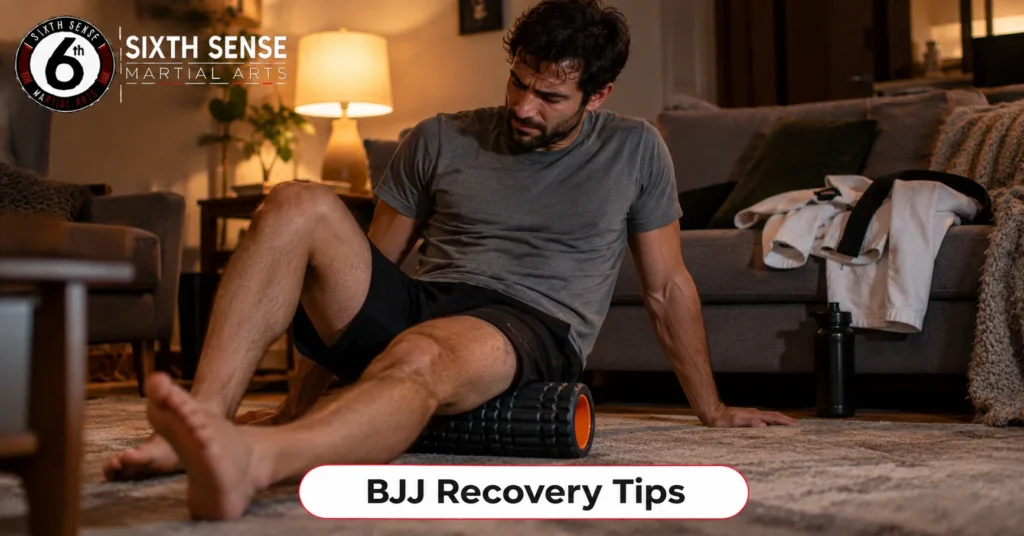
Being sore after BJJ is simply part of the journey, especially during your first few months. However, there is a difference between normal muscle soreness and pain that signals a real problem. Light drilling or a slow flow roll is usually fine even when you feel stiff, but if soreness limits your range of motion or makes basic movement painful, another rest day is the smarter call. Furthermore, ice or heat therapy can ease localized soreness depending on what feels better for your body. In addition, foam rolling sore spots before and after training helps reduce tightness and keeps blood moving through the tissue. Listening to these signals rather than pushing through blindly protects your long term progress.
Mental Rest Matters Too
Physical soreness gets most of the attention, but mental fatigue plays a real role in how fast you bounce back. Processing a hard training week, whether through journaling, talking with training partners, or simply unplugging for an evening, supports your overall recovery just as much as a good meal. As a result, students who ignore mental burnout often find themselves dreading class even when their bodies feel fine. Moreover, planned rest days help prevent that creeping sense of exhaustion that builds when training feels like an obligation rather than something you enjoy. Consequently, giving yourself permission to step back occasionally keeps your motivation and your body aligned for the long run.
Avoiding Overtraining and Burnout
More mat time is not always better, and pushing through exhaustion day after day eventually catches up with you. Overtraining without adequate rest days raises your risk of both injury and burnout, and it often shows up as declining performance rather than obvious pain. Therefore, build rest days into your weekly schedule the same way you schedule your training sessions. Furthermore, paying attention to early warning signs, like persistent fatigue, irritability, or nagging soreness that will not go away, helps you catch overtraining before it forces a longer break. In addition, more experienced practitioners often train just as hard as beginners but manage their rest far more intentionally, which is a major reason they stay injury free for years.
Supplements Worth Considering
While nothing replaces sleep, nutrition, and hydration, a few supplements have decent research behind them for supporting BJJ recovery. Creatine is one of the most studied options and may help with muscular endurance and faster recovery between hard sessions. Magnesium supports muscle relaxation and better sleep quality, which circles back to that first and most important recovery tool. Moreover, omega 3 fatty acids may help lower inflammation from repeated intense training. However, supplements work best as an addition to good habits, not a replacement for them. Consequently, if your sleep and nutrition are already solid, these additions can offer a small extra edge, but they will not fix poor recovery habits on their own.
Building a Weekly Routine
Consistency matters more than any single recovery trick. Pairing a few rest days with lighter technical sessions throughout your week prevents the kind of accumulated fatigue that leads to burnout or injury. For example, structuring your week with two or three hard training days, one lighter technical day, and at least one true rest day creates a sustainable rhythm most students can maintain long term. Furthermore, treating recovery as a non negotiable part of your schedule, rather than something you squeeze in only when you feel wrecked, keeps your body consistently ready for hard training. As a result, this kind of planning prevents the boom and bust cycle where great weeks are followed by injury or exhaustion.
When to See a Professional
Most soreness resolves on its own with good basic habits, but certain signs mean it is time to see a doctor or physical therapist. Sharp pain, swelling that does not improve, or joint instability are signals that go beyond normal training soreness. Moreover, ignoring these warning signs and training through them often turns a minor issue into a much longer injury. Therefore, do not hesitate to take a break and get checked out if something feels genuinely wrong rather than just tired. In addition, working with a physical therapist familiar with grappling sports can help you address nagging issues like shoulder or knee discomfort before they become chronic problems that sideline you for months.
Why a Proper Warm Up Helps
A rushed warm up sets you up for a harder recovery later. Spending five to ten minutes on dynamic movement before class, like hip circles, shoulder rolls, and light cardio, prepares your joints for the demands of rolling. As a result, a proper warm up reduces the risk of tweaks and strains that turn into weeks of downtime. Moreover, cold muscles are more prone to injury, so skipping this step to save five minutes often costs far more time later. Furthermore, a good warm up also mentally prepares you for training, which helps you move with better control. Consequently, treating warm up time as part of your recovery plan protects your body over the long run.
Gear and Hygiene Matter Too
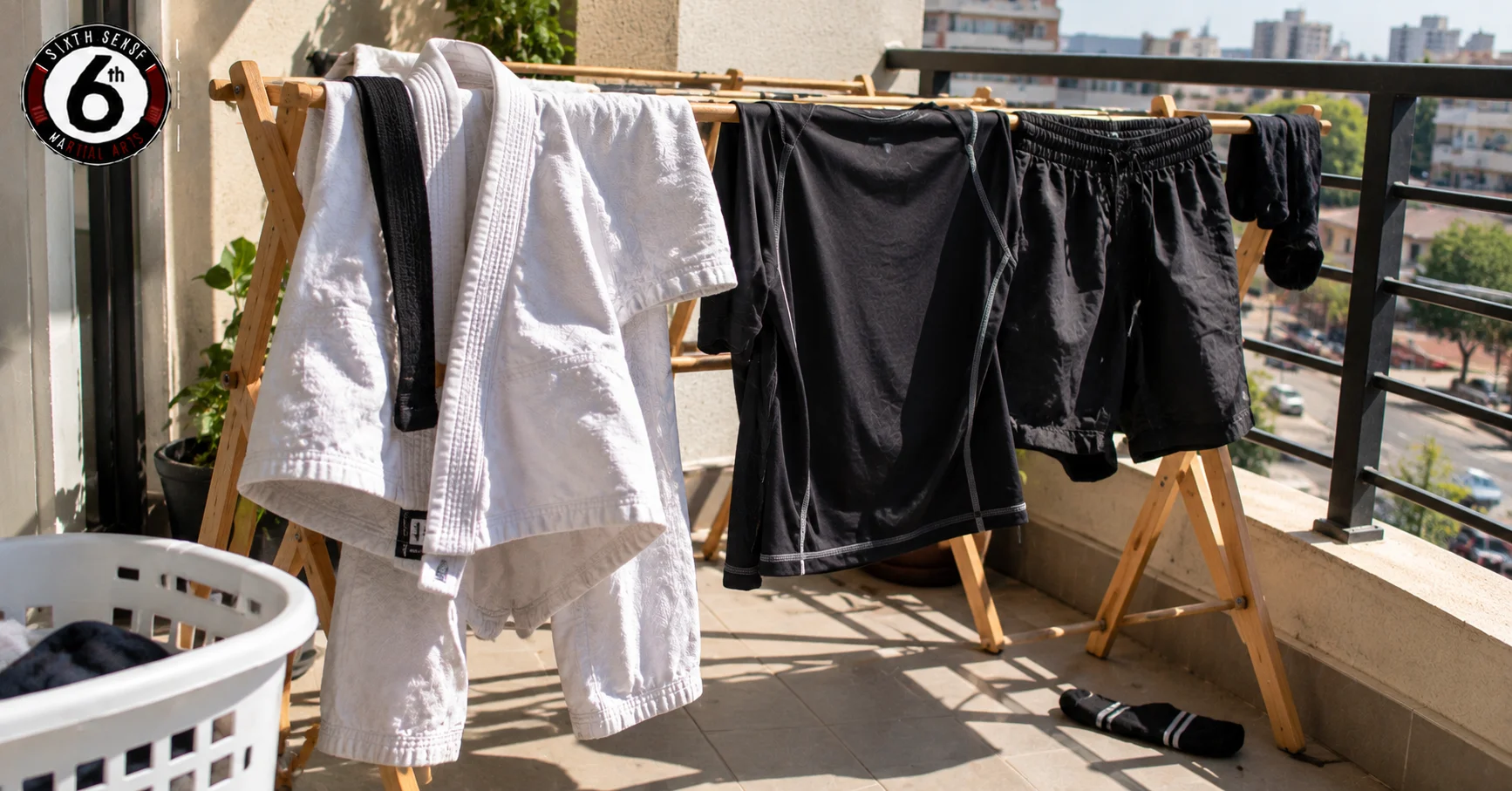
Recovery is not only about what happens after class, your gear plays a role too. Washing your gi, rash guard, and hand wraps after every session prevents skin infections that can sideline you for weeks, a far bigger setback than normal soreness. Moreover, properly fitted gear reduces unnecessary friction and joint strain during training, which indirectly supports faster recovery. In addition, showering soon after class and keeping any small cuts or mat burns clean prevents minor issues from becoming bigger problems. Furthermore, rotating between two sets of gear lets everything dry out between sessions, which keeps bacteria from building up. These small habits protect your training consistency just as much as sleep.
Tracking Your Progress Over Time
Paying attention to how your body responds week to week helps you spot patterns before they become problems. Keeping a simple log of sleep hours, soreness levels, and how you felt during class can reveal whether a tough week is normal fatigue or a sign you need more rest. As a result, you start noticing connections, like how skipping sleep two nights in a row makes your next roll feel sluggish and heavy. Moreover, this kind of self awareness helps you adjust your training intensity before burnout forces you to. Furthermore, many experienced practitioners naturally develop this instinct over years of training, but a few weeks of simple tracking can speed up that learning curve considerably for newer students.
Train Smart at Sixth Sense
Good recovery habits work best alongside a gym that understands how hard training actually is. At Sixth Sense Martial Arts in Coppell TX, head coach Matheus and the team encourage students to train smart, not just hard, and that includes respecting rest days as part of real progress. Moreover, the gym offers flexible class times throughout the week, which makes it easier to build a sustainable training and recovery rhythm around your life rather than forcing your life around training. If you are new to BJJ or returning after time off, a free trial class lets you ease back in and ask the coaches directly about pacing your training.
Conclusion
BJJ recovery is not a side detail, it is the part of training that actually lets your body adapt and get stronger. Prioritizing sleep, staying on top of hydration, eating to support repair, and building active recovery into your week all work together to keep you training consistently instead of constantly starting over after burnout or injury. Moreover, listening to your body and knowing when to rest or see a professional protects your long term progress far more than pushing through every ache. At Sixth Sense Martial Arts in Coppell TX, the coaching team supports students who want to train hard and recover smart. Book your free trial class and bring your recovery questions along.
Contact Us
Have questions about our classes or training programs. We would love to hear from you. Reach out to us today and let us help you start your martial arts journey the right way.
