
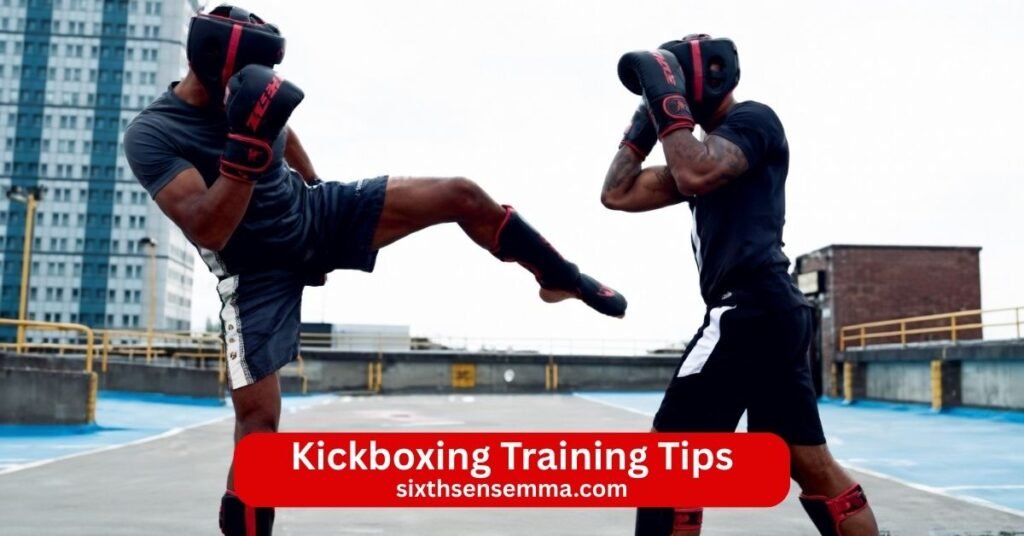
Kickboxing training tips help anyone start and improve in this exciting martial art that mixes powerful punches kicks and fast footwork. Kickboxing builds real strength speed coordination and self defense skills while giving a full body workout that feels fun and challenging. Beginners can learn basics like jab cross hook uppercut front kick roundhouse kick and low kick safely through proper form and drills. Whether you practice shadowboxing heavy bag work or join kickboxing classes at a good gym these tips guide you to train smart avoid injury and enjoy the kickboxing journey. Focus on technique balance rest and consistency to get the benefits of kickboxing and become a better kickboxer over time.
- Start with Proper Warm-Up and Stretching
- Focus on Learning the Correct Technique
- Maintain Proper Fighting Stance and Balance
- Practice Consistent Footwork and Movement
- Build Strength and Conditioning
- Improve Speed and Reaction Time
- Train Your Core for Powerful Strikes
- Stay Consistent with Your Training Routine
- Use Proper Safety Gear During Training
- Train with Professional Coaches
1. Start with Proper Warm Up and Stretching
Always begin kickboxing training with a good warm up and stretching to prepare your body. Light jogging jumping jacks or shadowboxing gets your heart rate up and loosens muscles. Stretch your legs hips shoulders and arms to improve range of motion. This step helps you avoid pulls or strains during punches kicks or roundhouse kick practice. A solid warm up makes every session smoother and lets you train harder without holding back.
2. Focus on Learning the Correct Technique
Learning correct technique matters more than throwing hard at first. Work on proper form for every punch like jab uppercut and rear hand strikes. Practice kicks such as front kick low kick side kick and roundhouse kick with the right hip turn and balance. Watch how coaches or experienced kickboxers move and copy their form. Good technique builds speed and power while protecting your joints and helping you strike your target accurately.
3. Maintain Proper Fighting Stance and Balance
A strong fighting stance keeps you balanced and ready for offense and defense. Stand with feet shoulder width apart lead hand forward rear hand protecting your face and knees slightly bent. Keep weight on the balls of your feet so you can move quickly. This stance lets you throw a punch or kick without losing balance. Good balance helps you defend against attacks and stay steady during close range combat.
4. Practice Consistent Footwork and Movement
Footwork is key in kickboxing so practice moving forward backward and sideways smoothly. Use small steps pivot on your lead foot for kicks and circle your opponent to control distance. Drill footwork every session to make it natural. Good movement lets you avoid strikes set up punches and kicks and stay safe. Consistent footwork turns you into a harder target and improves your overall kickboxing skills.
5. Build Strength and Conditioning
Add strength training to your kickboxing program for better power and endurance. Bodyweight exercises like push ups squats and planks build muscle in your core lower body and upper body. Heavy bag work and shadowboxing add conditioning that makes you last longer in rounds. Stronger muscles help you throw harder punches and kicks and recover faster between efforts. Regular strength work puts you in the best shape for kickboxing.
6. Improve Speed and Reaction Time
Work on speed and reaction time through fast drills and partner work. Throw quick jab combinations shadowbox at high speed and practice dodging imaginary punches. Spar lightly with a partner to react to real movements. Use focus mitts or pads for timing drills that sharpen your reflexes. Building speed lets you land punches and kicks before your opponent can respond.
7. Train Your Core for Powerful Strikes
Your core powers almost every strike so train it regularly. Exercises like twists medicine ball throws and planks strengthen your abs and obliques. A strong core transfers force from your lower body to your punches and kicks. It also helps you stay balanced during roundhouse kick or defensive moves. Core training makes your strikes faster and more explosive.
8. Stay Consistent with Your Training Routine
Consistency turns small efforts into big results so stick to your kickboxing routine. Train three to five days a week with rest days to recover. Mix gym sessions bag work and practice at home for variety. Even short daily shadowboxing keeps skills sharp. Listen to your body and take easy days when needed. Steady training builds kickboxing skills faster than irregular hard sessions.
9. Use Proper Safety Gear During Training
Always use proper safety gear to protect yourself during kickboxing training. Wear boxing gloves to protect your hands and wrists shin guards to shield your shins and mouthguard for sparring. Good gear prevents bruises cuts and long term damage. Wrap your hands correctly before bag work or pads. Safety gear lets you train harder and longer without worry.
10. Train with Professional Coaches
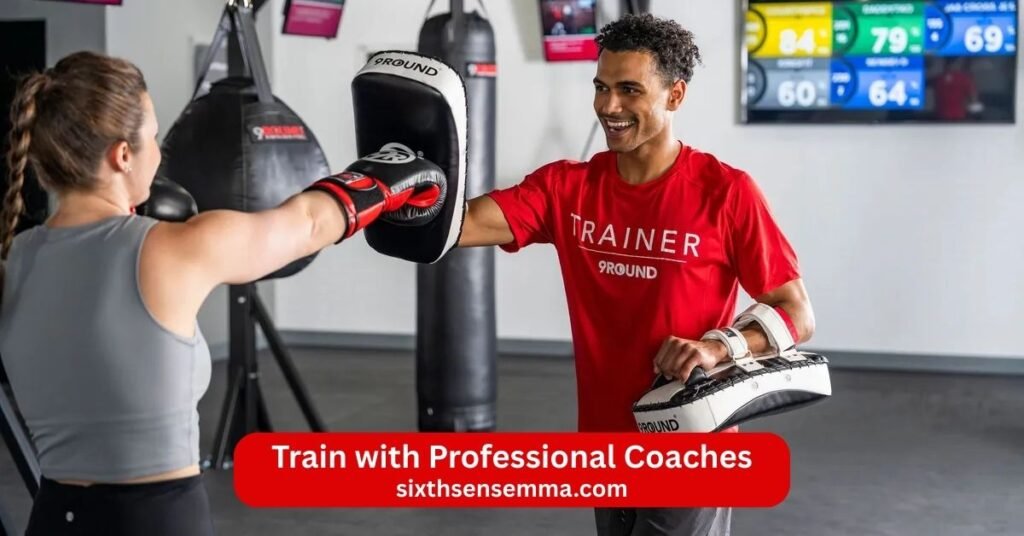
Train with professional coaches at a good gym to learn faster and avoid mistakes. Coaches teach essential kickboxing techniques correct your form and create safe sparring. They help you progress from beginner to advanced levels and focus on your weak points. A coach guides you through close combat drills offense and defense and keeps training fun. Professional guidance makes your kickboxing journey safer and more effective.
Common Mistakes Beginners Make in Kickboxing Training
Beginners often jump into kickboxing with excitement but end up making simple mistakes that slow progress or cause setbacks. These errors happen because kickboxing demands focus on form balance and recovery from day one. Spotting and fixing them early keeps training safe enjoyable and effective. Many new kickboxers push too hard too soon without the right foundation which leads to frustration or injury instead of steady gains in punches kicks and overall skill.
Ignoring Proper Form and Technique
One of the biggest mistakes beginners make is ignoring proper form and technique. They focus on throwing hard punches or kicks without learning how to do them correctly. For example they drop their hands when punching lean too far forward on kicks or lock their knees during movement. This bad habit reduces power makes strikes less accurate and leaves the face open to counters.
Poor technique also strains wrists elbows knees and lower back over time. Beginners should slow down and drill basics like jab cross hook uppercut front kick and roundhouse kick with coaches watching. Good form builds real speed and power while protecting the body. Fixing technique early turns weak sloppy strikes into clean effective ones that land where intended.
Skipping Warm Ups and Recovery
Skipping warm ups and recovery is another common beginner mistake that leads to problems. New kickboxers sometimes rush straight into heavy bag work or sparring without warming up properly. Without light cardio dynamic stretches or mobility drills muscles stay cold and joints stiff which raises the chance of pulls strains or soreness. Recovery gets ignored too when people train every day without rest days or listen to their body during fatigue.
Overtraining causes shin soreness joint pain and burnout that forces long breaks. Beginners should always start sessions with ten to fifteen minutes of warm up like shadowboxing jumping rope or light movement. After training ice sore areas stretch gently and take at least one or two rest days each week. Proper warm ups prepare the body for intense work and good recovery lets muscles repair and grow stronger for the next session.
How Professional Training Improves Kickboxing Skills
Professional training changes kickboxing from casual exercise into real skill development. A good coach and structured environment fix bad habits build confidence and push progress faster than training alone. Beginners and experienced kickboxers both benefit because professionals see details the average person misses. At a quality gym like Sixth Sense MMA professional guidance turns effort into measurable improvement in technique power endurance and self defense ability.
Structured Training Programs
Structured training programs make kickboxing skills grow steadily and safely. Instead of random workouts professionals create clear plans that progress from basics to advanced levels. Beginners start with stance footwork simple punches and basic kicks. As skills improve the program adds combinations speed drills bag work and light sparring. Each phase builds on the last so nothing feels overwhelming. Structured programs include strength conditioning core work and recovery built in which prevents plateaus. Kickboxers follow a logical path that targets weak areas and celebrates small wins along the way. This organized approach keeps motivation high and helps people reach goals like better fitness stronger strikes or practical self defense much faster than unstructured training.
Personalized Coaching and Feedback
Personalized coaching and feedback stand out as the biggest advantage of professional training. A coach watches every move corrects mistakes instantly and explains why changes matter. For example they might adjust your jab to protect your chin fix hip rotation on roundhouse kick or teach you to keep your rear hand up after punching. Feedback is specific to your body skill level and goals so you improve exactly where needed.
Coaches also track progress over weeks and adjust drills to match your pace. Personalized attention prevents bad habits from forming and builds confidence because you know exactly what to work on. In a group class the coach still gives individual tips during rounds which makes every session feel tailored. This direct guidance turns beginners into capable kickboxers and helps experienced ones break through plateaus.
Why Choose Sixth Sense MMA Kickboxing Training Program?
Sixth Sense MMA stands out as the best place for kickboxing because it combines expert teaching real results and a welcoming atmosphere that keeps people coming back. The kickboxing program focuses on building fitness strength self defense skills and confidence in a way that fits your life. Trainers understand kickboxing deeply and create an environment where beginners feel supported and experienced fighters find new challenges. Every part of the program from classes to equipment helps you progress safely and enjoy the process.
Certified and Experienced Trainers
The trainers at Sixth Sense MMA hold certifications in kickboxing boxing and related martial arts with years of hands on experience. They have competed taught and trained continuously so they know what works for different bodies and goals. During sessions they watch every punch kick and movement to correct form right away. For example they fix how you throw a jab to keep your chin protected or adjust your roundhouse kick for better hip rotation and power.
Their experience means they spot bad habits early prevent injuries and push you at the right pace. Beginners get patient step by step guidance while advanced students receive detailed feedback on timing strategy and conditioning. This level of expertise makes training more effective and helps you improve faster than you would on your own or at a less professional gym.
Beginner to Advanced Level Classes
Sixth Sense MMA offers classes that work perfectly for everyone from complete beginners to advanced kickboxers. Beginner classes start with the basics stance balance simple punches jabs crosses hooks and front kicks. You learn proper technique footwork and how to protect yourself without feeling overwhelmed. Intermediate classes add combinations speed bag work and light pad drills to build flow and power.
Advanced sessions include complex combos heavy sparring timing drills and conditioning specific to competition or self defense. The progression feels natural because each level builds on the last. Small class sizes let trainers give attention to every student so no one gets left behind or held back. You always train at the right level and see clear improvement in skills fitness and confidence week after week.
Modern Equipment and Safe Training Environment
The gym features modern equipment and a safe training environment that makes every session productive. Heavy bags focus mitts thai pads double end bags and speed bags stay in excellent condition for consistent use. The flooring provides good grip and cushion to reduce impact on joints during kicks and footwork. Lighting ventilation and space are set up well so you stay comfortable even during intense rounds.
Safety comes first with clean gear regular maintenance and trainers who enforce proper warm ups cool downs and technique. Protective equipment like gloves shin guards and wraps is available and kept hygienic. This setup lets you focus fully on training without worrying about old tools or unsafe conditions. The modern safe space supports better performance longer sessions and faster progress.
Flexible Training Schedule
Sixth Sense MMA provides a flexible training schedule that fits real life especially for busy people in Coppell and nearby areas. Multiple class times run throughout the week including early mornings evenings and weekends so you can find slots that match work family or other commitments. You can attend as often as your schedule allows without strict limits on sessions.
Drop in options and package deals make it easy to stay consistent even if some weeks are hectic. The flexibility means you never have to skip training because a time does not work. People with demanding jobs parents and students all find ways to make kickboxing part of their routine. This approach keeps motivation high and helps you build steady habits for long term results.
Contact US
If you want to start kickboxing training learn proper technique improve your fitness build self defense skills or just come see the gym and talk to the trainers we are ready to help.
- 817 S MacArthur Blvd #100 Coppell TX 75019 United States
- (469) 972 7800
- info@sixthsensemma.com
